Blog
Solar lenses: 1 article explains clearly
A Comprehensive Guide to Solar Lenses: From Polarized to Photochromic for Driving & Beyond
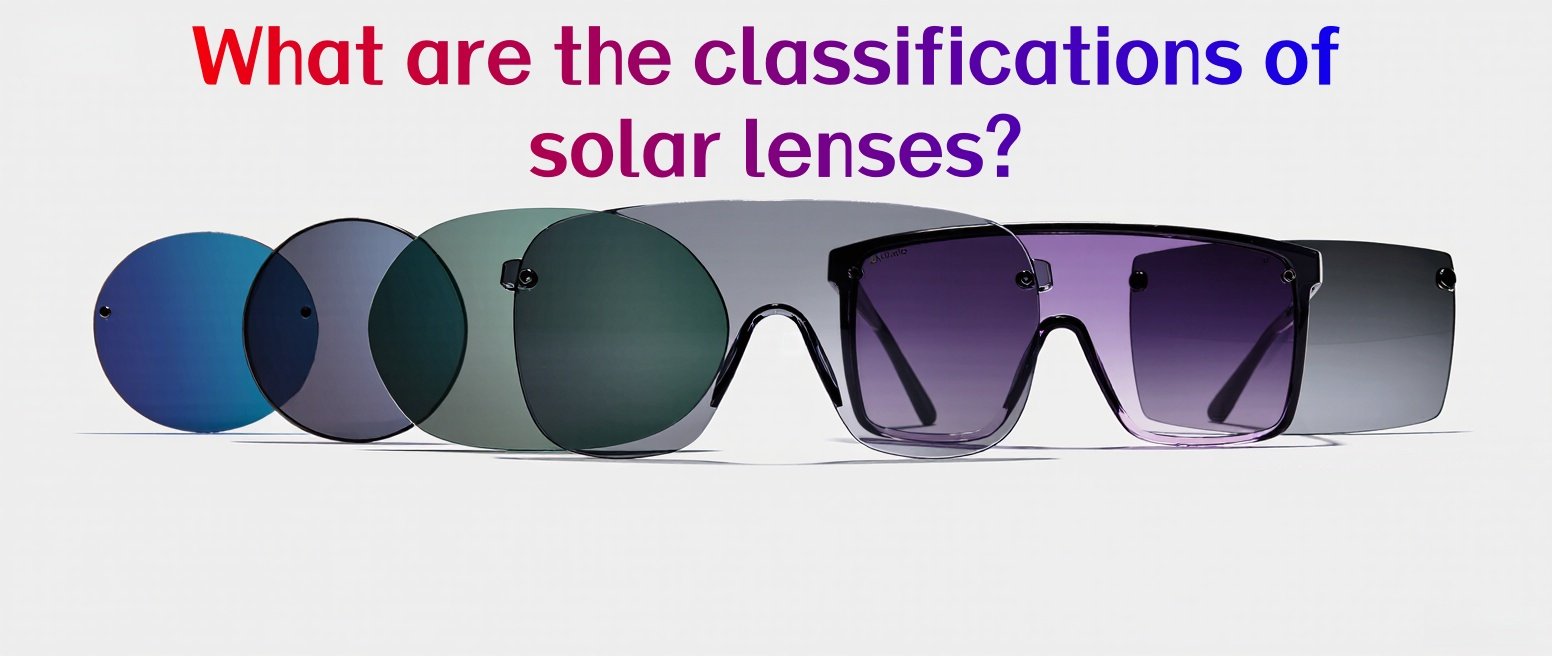
When you slip on a pair of sunglasses, you're not just accessing a fashion statement—you're utilizing a crucial piece of optical technology designed to protect your eyes and enhance your vision. The heart of this technology lies in the solar lenses themselves. With a vast array of options available, understanding the different categories of solar lenses is key to selecting the perfect pair for your lifestyle, whether you're seeking the ultimate polarized sunglasses for glare reduction or specialized sunglasses for driving for safer journeys. This guide will demystify the world of solar lenses, helping you make an informed decision.
1. The Standard: Non-Prescription Sun Lenses
These are the lenses found in most over-the-counter fashion sunglasses. Their primary function is to reduce the overall amount of visible light entering the eye, providing basic comfort in bright conditions. The darkness of the tint (measured in VLT%) does not necessarily correlate with UV protection—a critical distinction. Always ensure any pair you buy offers 100% UV400 protection, regardless of the tint darkness.
· Best For: Casual, fashion-forward wear in bright sunlight.
2. The Glare Eliminator: Polarized Lenses
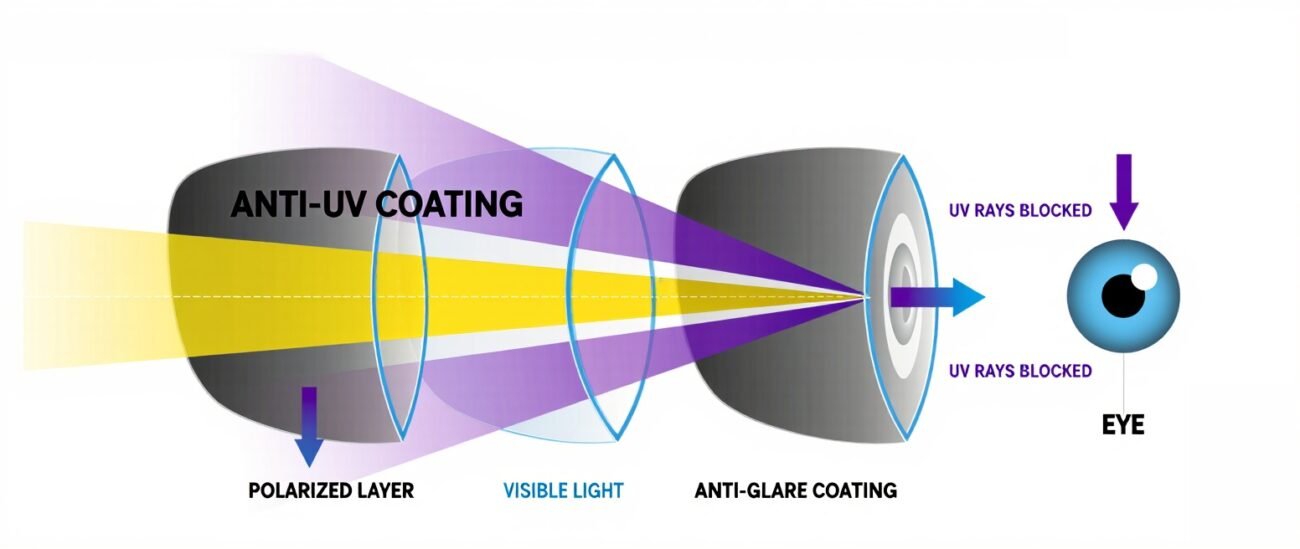
Polarized sunglasses are the gold standard for anyone who spends time near water, snow, or on the road. These lenses feature a special chemical filter that blocks intense, reflected horizontal light, eliminating blinding glare. This dramatically reduces eye strain, improves visual comfort, and enhances color perception and contrast. For anyone wondering, "what are the best polarized sunglasses for driving?" the answer is unequivocally yes—they are essential for reducing dangerous glare from wet roads and other vehicles.
· Best For: Driving, fishing, skiing, and any water or snow sports.
· Considerations: Can make it difficult to see LCD screens on dashboards or phones.
3. The Adaptive Solution: Photochromic Lenses
Often known by the brand name Transitions®, photochromic lenses are the chameleons of the solar lenses world. They are clear indoors and automatically darken when exposed to ultraviolet (UV) sunlight. This offers the convenience of a single pair of glasses that functions as both your prescription eyewear and sunglasses. Modern versions, like Transitions® XTRActive®, even darken behind a car windshield, making them a versatile, all-in-one option.
· Best For: Everyday wear for those who frequently move between indoors and outdoors.
4. The Performance Enhancer: Gradient & Mirrored Lenses
· Gradient Lenses: These are tinted from the top down, with the darkest portion at the top shielding your eyes from overhead sun and a lighter portion at the bottom for a clearer view downward. The double-gradient style (dark on top and bottom, lighter in the middle) is popular for its sporty look and ability to block light from above and below, such as when reflected off water or snow.
· Mirrored Lenses: These feature a reflective optical coating applied to the front of the lens. This mirror finish reflects a significant amount of light, reducing glare and overall brightness even further than a standard tint. They are excellent for very bright conditions and offer a distinctive, high-tech appearance.
· Best For: Golf, casual driving, and fashion; mirrored are ideal for high-altitude sports.
5. The Material Matters: Lens Substrates
The material of the solar lenses impacts clarity, weight, and durability.
· CR-39 Plastic: Offers excellent optical clarity and is a cost-effective option, but is less impact-resistant than other materials.
· Polycarbonate: Lightweight and highly impact-resistant, making it the go-to choice for sports sunglasses and safety eyewear. It has built-in UV protection.
· Trivex: Similar to polycarbonate but with even better optical clarity and higher impact resistance, often considered a premium material.
Choosing the Right Lenses for Your Activity
· For Daily Driving: Your best bet is a polarized sunglasses with a gray or brown tint. Gray maintains true color perception, while brown enhances contrast.
· For Water Sports: Polarized sunglasses with a gray or blue mirror lens are essential for cutting through water glare.
· For Golf: Amber or brown polarized sunglasses can enhance the contrast between the green grass and the white ball.
· For Cycling: Consider solar lenses with a rose or vermilion tint to enhance contour and depth perception on the road.
Conclusion
The world of solar lenses is sophisticated and diverse, moving far beyond simple sun protection. Whether you need the specialized glare-fighting power of polarized sunglasses, the adaptive convenience of photochromics for your sunglasses for driving, or the bold performance of mirrored lenses, understanding these categories empowers you to choose the perfect solar lenses for your visual needs and lifestyle. Invest in the right technology, and you'll not only see more comfortably—you'll see the world more clearly.
PC Lenses vs. Nylon Lenses vs. Glass Lenses: The Ultimate Guide to Choosing the Best
When selecting new sunglasses or prescription eyewear, most people focus on frame style and lens coatings, often overlooking the most fundamental element: the lens material itself. The substrate of your lenses determines everything from durability and safety to optical clarity and weight. The three primary contenders in the lens material arena are PC lenses, nylon lenses, and traditional glass lenses. Understanding their strengths and weaknesses is crucial for making an informed investment in your eye health and daily comfort. This comprehensive guide dives deep into the comparison to help you choose the perfect lens material for your lifestyle.
The Safety Champion: Polycarbonate (PC) Lenses
Introduced in the 1970s, Polycarbonate lenses revolutionized the eyewear industry with their exceptional impact resistance.
Key Advantages:
· Superior Impact Resistance: PC lenses are highly shatterproof, making them the number one choice for safety glasses, children's eyewear, and sports sunglasses. This "best lens material for impact protection" quality is due to their built-in UV protection, blocking over 99% of UV light without needing an additional coating.
· Lightweight: Compared to glass and other plastics, polycarbonate is notably lighter, enhancing comfort for all-day wear.
· Thinness: Their high index of refraction allows PC lenses to be thinner than standard plastic lenses with the same prescription power.
Key Disadvantages:
· Optical Clarity: The Achilles' heel of early PC lenses was inferior optical quality, prone to chromatic aberration (distortions and rainbow patterns around lights). While modern manufacturing has improved this, they still generally lag behind nylon and glass in sheer clarity.
· Scratch Resistance: Polycarbonate is a relatively soft material, making it highly susceptible to scratching. A mandatory scratch-resistant coating is almost always applied to mitigate this issue.
Best For: "Best sunglasses for sports and high-impact activities," "durable sunglasses for children," and "essential safety glasses for work sites."
The Performance All-Rounder: Nylon Lenses
Often known by the brand name Trivex or under the category of "sports lenses," Nylon lenses represent a premium step up from polycarbonate.
Key Advantages:
· Excellent Optical Clarity: Nylon lenses provide a significantly clearer, more distortion-free view than standard polycarbonate, making them a favorite among enthusiasts seeking "crystal clear sunglasses lenses."
· High Impact Resistance: While slightly less dense than polycarbonate, nylon is still extremely tough and shatterproof, meeting most safety standards.
· Lightweight and Flexible: Nylon is inherently flexible and very light, offering exceptional comfort and durability, as the material can bend under stress without breaking.
Key Disadvantages:
· Cost: This superior performance comes at a price. Nylon lenses are typically more expensive than polycarbonate.
· Scratch Resistance: Like polycarbonate, they require a scratch-resistant coating for daily durability.
Best For: "Premium sunglasses for active lifestyles," "high-clarity polarized fishing sunglasses," and "the best lens material for rimless and semi-rimless frames" due to their strength.
The Classic Standard: Glass Lenses
Glass lenses were the original material for all eyewear and are still prized for their unparalleled visual performance.
Key Advantages:
· Exceptional Optical Clarity: Glass lenses offer the sharpest, most distortion-free vision of any lens material. This is why they are often used in high-end camera lenses and scientific instruments.
· Superior Scratch Resistance: Glass is highly resistant to scratching from daily cleaning and handling, far outperforming any plastic-based material without the need for coatings.
Key Disadvantages:
· Heavy Weight: Glass is significantly heavier than both PC and nylon, which can lead to discomfort, especially with stronger prescriptions or larger frames.
· Poor Impact Resistance: This is the critical flaw. While scratch-resistant, glass lenses can shatter upon impact, posing a serious safety risk. This makes them a poor choice for sports, children, or active use.
· UV Protection: Standard glass lenses do not inherently block UV rays, requiring an additional coating for full protection.
Best For
"Fashion sunglasses with classic aesthetic," and situations where maximum optical clarity is the absolute priority and safety is not a primary concern.
Head-to-Head Comparison Table
Feature Polycarbonate (PC) Lenses Nylon (Trivex) Lenses Glass Lenses
Impact Resistance Excellent (The Best) Excellent Poor
Scratch Resistance Poor (needs coating) Fair (needs coating) Excellent
Weight Light Lightest Heavy
Optical Clarity Good Very Good Excellent (The Best)
UV Protection Inherent (100%) Inherent (100%) Requires Coating
Cost Affordable Premium Moderate to High
Best Use Case Safety, Sports, Kids High-Performance Sports, Daily Wear Fashion, Driving (with coating)
Conclusion: Which Lens Material is Right for You?
Your ideal lens material depends entirely on your lifestyle, priorities, and budget.
· Choose Polycarbonate (PC) Lenses if: Your top priorities are budget-friendly impact resistance and safety. This is the clear winner for "durable sunglasses for children," "safety-compliant prescription glasses," and affordable, reliable sports sunglasses.
· Choose Nylon Lenses if: You are an active person seeking a premium balance of clarity, lightness, and strength. If you want "the best polarized lenses for fishing" with minimal distortion, need "lightweight sunglasses for running," or have expensive rimless frames, the investment in nylon is justified.
· Choose Glass Lenses if: You prioritize absolute, uncompromising optical clarity above all else, lead a low-impact lifestyle, and your frames are small and sturdy enough to handle the weight. They are best for "classic style sunglasses" where fashion and visual perfection are paramount.
For the vast majority of people, the choice boils down to the superior safety of PC lenses or the enhanced performance of nylon lenses. By weighing the factors of impact resistance, clarity, weight, and cost, you can confidently select the lens material that will protect your vision and enhance your daily experience.
Fashion Polarized Sunglasses – Luxury Oversized UV Protection Sunglasses
HD shooting AI smart glasses-2025The best-selling glasses
Heavy-duty oval polarized sunglasses, high-end anti-UV vintage style unisex glasses
High definition recording smart glasses -800W pixel camera and call glasses
High-end cat eye sunglasses – Street photography UV protection plastic sun glasses
Ms. Geometric Prescription Glasses Frame – Exclusive Personalized Trend
Personalized elliptical frame sunglasses – UV resistant polarized luxury premium edition
Polarized Anti-UV Cat Eye Sunglasses – The Most Stylish and Unique Trend Glasses for Women
Progressive Thick-Frame Oval Sunglasses | Premium Acetate & Polarized Lenses
Smart glasses – capturing the most spectacular moments of 2025
Square Acetate Glasses for Women | Premium Blue Light & Prescription Eyewear